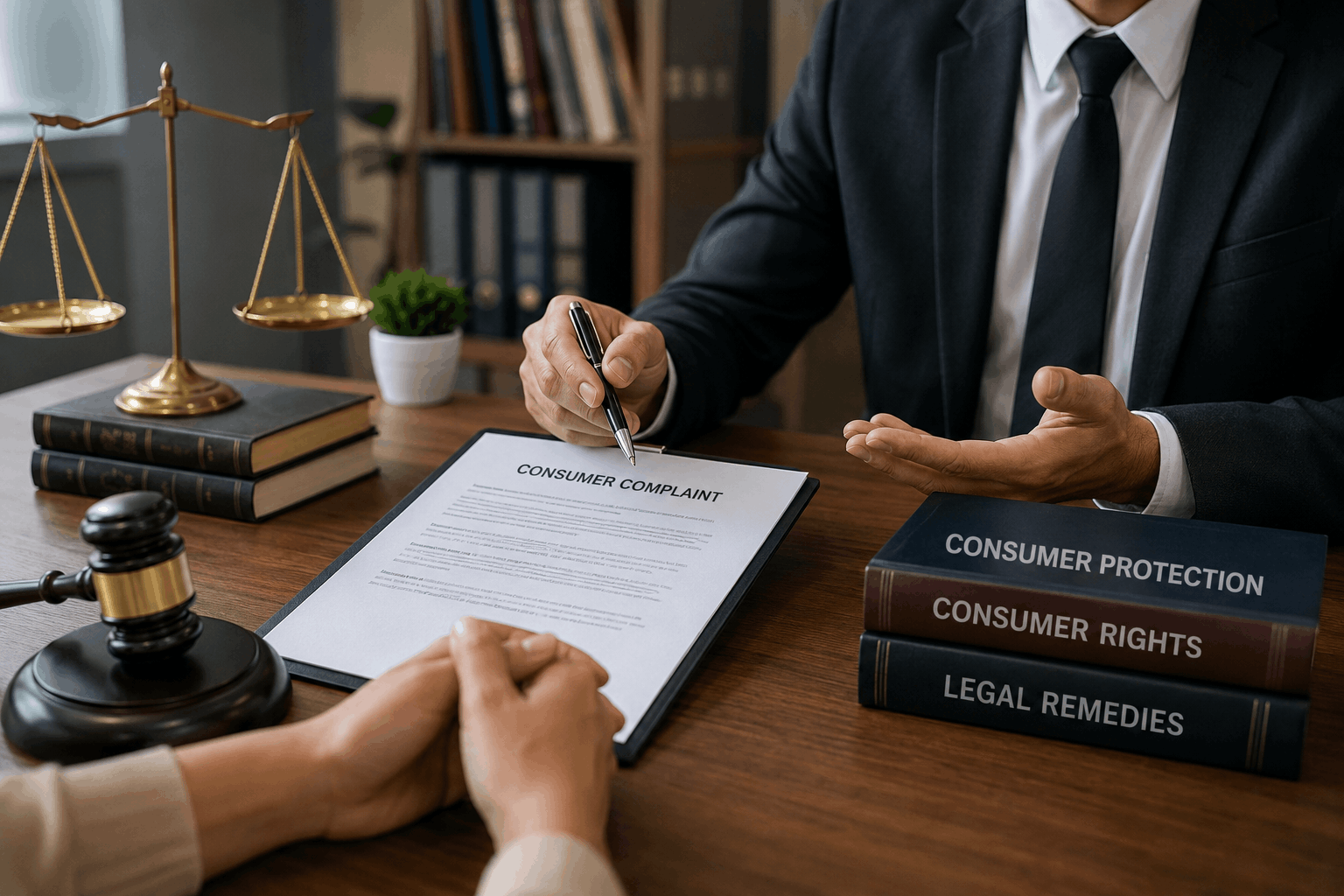
Every day, people purchase products and use services with the expectation that they will receive what has been promised. Whether it is ordering an electronic appliance, booking a holiday package, taking an insurance policy or shopping online, consumers trust businesses to provide goods and services of the expected quality. However, things do not always go as planned. A product may turn out to be defective, a service may not be delivered properly or a seller may fail to honour the agreed terms. When such situations arise, it is important for consumers to understand the legal rights available to them.
Many people searching for Consumer Court Lawyers in Chandigarh are not only looking for legal assistance but also trying to understand whether their problem falls under consumer law. Learning about consumer rights, the legal framework and the available remedies can help individuals make informed decisions before taking any further step.
Why Do Consumer Disputes Arise?
Most consumer disputes begin with everyday transactions. A person may buy a product that stops working within a few days, receive damaged goods after making full payment or experience poor service despite paying the required charges. In many situations, consumers first try to resolve the issue directly with the seller or service provider. However, if the matter remains unresolved, it may become a consumer dispute under the applicable law.
Some of the common reasons for consumer disputes include:
Defective or damaged products
Deficiency in services
Misleading advertisements
Unfair trade practices
Delay in delivery of goods or services
Online shopping disputes
Banking and financial service complaints
Insurance-related disputes
Housing and real estate consumer matters
Many of these issues can be avoided by carefully reading the terms of a transaction, preserving invoices and maintaining records of all communications relating to the purchase or service.
Understanding Consumer Protection Law in India
Consumer rights in India are primarily protected under the Consumer Protection Act, 2019. The Act provides a legal framework for addressing disputes involving defective goods, deficiency in services, unfair trade practices and certain misleading advertisements.
The law also establishes Consumer Commissions at the District, State and National levels for resolving consumer disputes, depending upon the jurisdiction provided under the Act.
Apart from the Consumer Protection Act, the legal position in any consumer matter may also depend on the terms of the contract, the nature of the transaction and the interpretation of the law by the Supreme Court of India and various High Courts.
Types of Consumer Matters
Consumer disputes can arise across different industries because people use a wide range of products and services in their daily lives. Although every matter depends upon its own facts, some of the more common situations are discussed below.
Defective Products
Consumers may face problems when a product does not meet the expected standards of quality, safety or performance. Manufacturing defects, damaged goods or products that fail to function as represented can lead to consumer-related concerns.
Deficiency in Services
A consumer dispute may also arise where services are not provided in the manner promised or where there is a deficiency in the quality of the service. Such matters may involve healthcare, banking, insurance, transport, education, hospitality, telecommunications or other service sectors.
Online Shopping Disputes
Online shopping has become a part of everyday life, but it has also led to new types of consumer complaints. Delayed deliveries, receipt of incorrect products, damaged goods, refund delays and warranty-related issues are some of the concerns that consumers may encounter while purchasing through digital platforms.
Housing and Real Estate Matters
Homebuyers may experience consumer-related issues such as delay in possession, construction defects, changes in promised specifications or failure to provide agreed amenities. The legal remedies available in such situations depend upon the facts of the matter and the applicable legal provisions.
Why Proper Documentation Matters
In many consumer disputes, the outcome depends not only on what happened but also on the records available to support the complaint. Documents help explain the sequence of events and provide clarity about the transaction between the consumer and the seller or service provider.
Some of the documents that are commonly preserved include:
Purchase invoice or bill
Payment receipts
Warranty or guarantee documents
Order confirmations
Emails or written communication
Delivery records
Service agreements or contracts
Photographs of defective products, where relevant
Keeping these records safely can help establish the facts if a dispute arises and provide useful support during the legal process.
How Consumer Disputes May Be Resolved
The method of resolving a consumer dispute depends on the nature of the complaint and the facts of each case. In many situations, consumers first approach the seller or service provider in an attempt to resolve the issue directly. If the matter cannot be resolved through communication, other legal remedies may be available under the Consumer Protection Act, 2019.
Depending on the circumstances, mediation may also be considered where the parties are willing to arrive at a mutually acceptable settlement. If the dispute remains unresolved, a complaint may be filed before the appropriate Consumer Commission in accordance with the provisions of the applicable law.
The suitable legal remedy depends on the facts of the matter, the available documents and the legal provisions governing the dispute.
Consumer Disputes in the Digital Age
The rapid growth of online shopping and digital services has changed the way consumers purchase goods and access services. While these platforms offer convenience, they have also led to an increase in disputes relating to delayed deliveries, refund requests, cancelled orders, misleading product descriptions and unauthorised online transactions.
Consumers should carefully review product descriptions, payment terms, return policies and warranty conditions before completing an online purchase. Preserving digital records such as emails, invoices and payment confirmations can also be helpful if a dispute arises later.
Recent Developments in Consumer Protection Law
Consumer protection law continues to develop through legislative changes and judicial decisions. Courts and Consumer Commissions regularly consider matters involving defective goods, deficiency in services, e-commerce transactions and unfair trade practices. These decisions help explain how consumer protection laws should be interpreted and applied in different situations.
Keeping yourself informed about these developments can help you better understand your rights and responsibilities as a consumer.
Frequently Asked Questions
What is a consumer dispute?
A consumer dispute generally arises when a consumer believes that a product is defective, a service is deficient or an unfair trade practice has affected their legal rights.
Which law protects consumer rights in India?
Consumer rights are primarily protected under the Consumer Protection Act, 2019. Depending on the facts of the matter, other laws and contractual provisions may also be relevant.
Why should purchase documents be preserved?
Documents such as invoices, receipts, warranty cards and written communication help establish the facts relating to a transaction and may become important if a consumer dispute arises.
Can online shopping disputes be addressed under consumer law?
Depending on the nature of the transaction and the applicable legal provisions, disputes relating to online purchases, delayed deliveries, defective products and certain refund issues may fall within the scope of consumer protection law.
Does every consumer dispute have the same legal solution?
No. Every consumer matter is different. The legal remedy depends on the facts of the case, the available evidence and the applicable law.
Conclusion
Consumer protection law plays an important role in safeguarding the interests of individuals who purchase goods or use services. Whether the issue relates to defective products, deficiency in services, online transactions, banking, insurance or housing, understanding the legal framework can help consumers make informed decisions and better understand the remedies available under the law.
Every consumer dispute is unique and should be examined according to its own facts, supporting documents and the applicable legal provisions. Being aware of consumer rights, preserving relevant records and staying informed about developments in consumer law are important steps towards protecting one's interests and resolving disputes through the appropriate legal process.